On completing the programme, graduates are able to apply knowledge of biomedical, social and humanities sciences to assess a person’s state of health, identify activity limitations and their impact on quality of life and meaningful occupation. They comprehensively assess human occupation across the lifespan, taking into account physical, psychological and social factors.
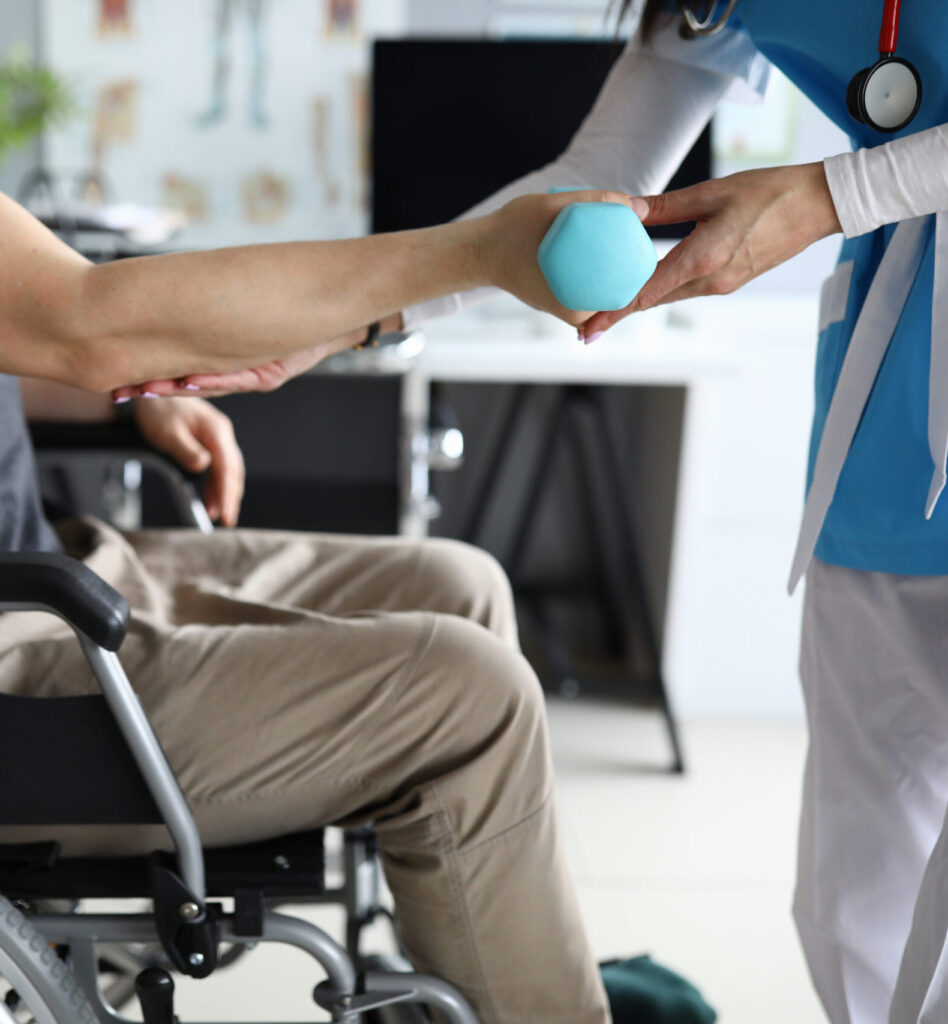
Graduates are able to plan, prepare and apply evidence-based occupational therapy programmes and interventions, informed by critical reflection and the individual needs of the patient and their family. They critically assess functional status and independence, apply compensatory strategies and assistive technology to improve a person’s independence, social participation and quality of life.
Graduates of the programme implement preventive and health-promotion activities, empower individuals, families and communities, collaborate with patients and interdisciplinary teams, and respect diversity and intercultural differences. They carry out applied research, use information technologies and continuously improve their professional competence, guided by the principles of professional ethics, responsibility and evidence-based practice.